
How Compilers Work
From Source Code to Machine Code

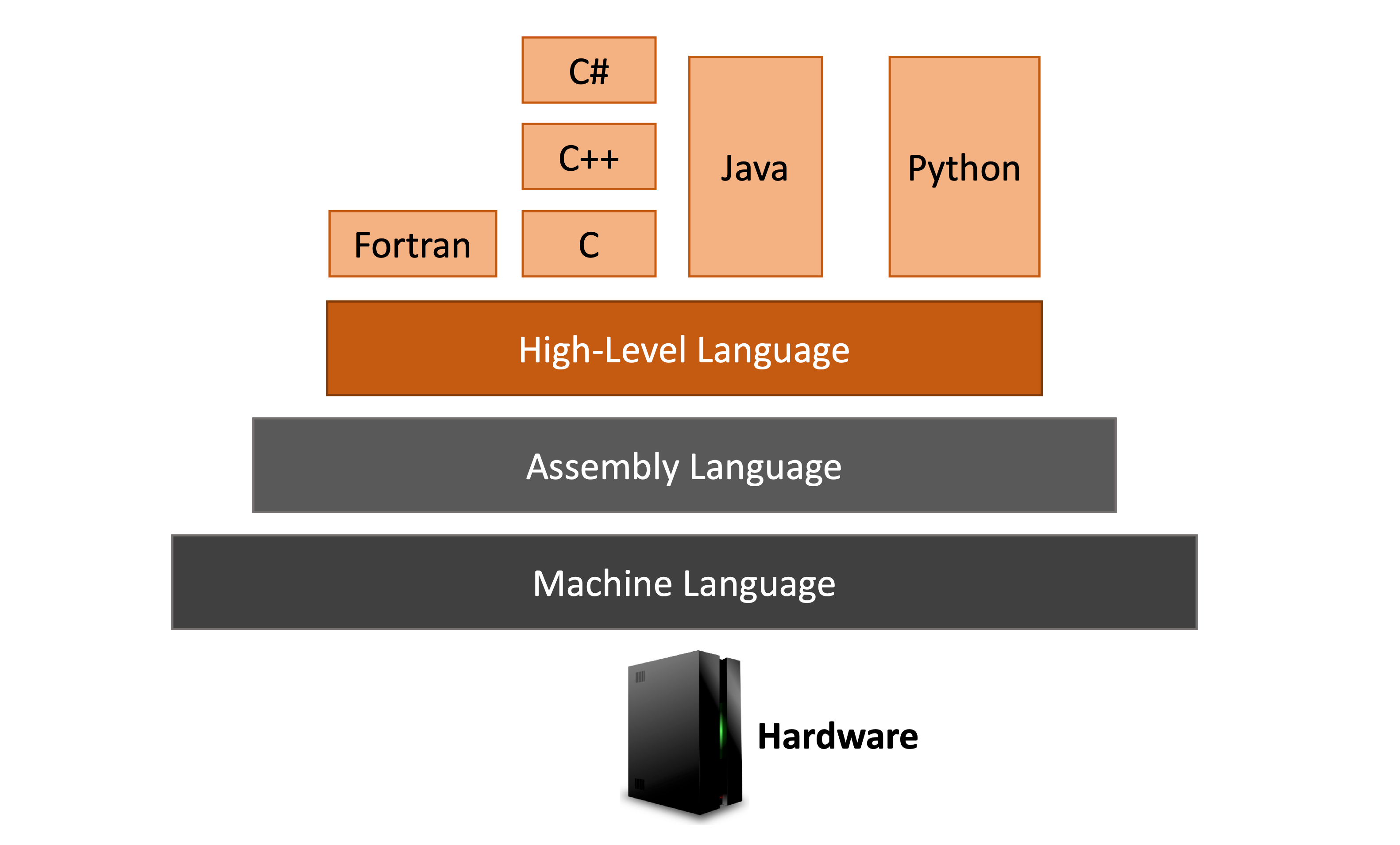
At its core, a computer’s processor is just a piece of silicon that understands a single, extremely limited language: Machine Code. This is a continuous stream of electrical signals, represented as 1s and 0s (binary).
When you write code in Python, C++, or JavaScript, you are writing Source Code. It is human-readable, logical, and structured. But the processor has absolutely no idea what print("Hello") means.
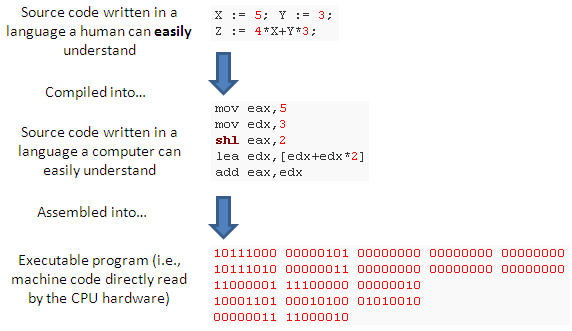
To bridge this gap, source code must be translated. There are two primary ways this happens: Compilation (translating the whole program upfront) and Interpretation (translating on the fly).
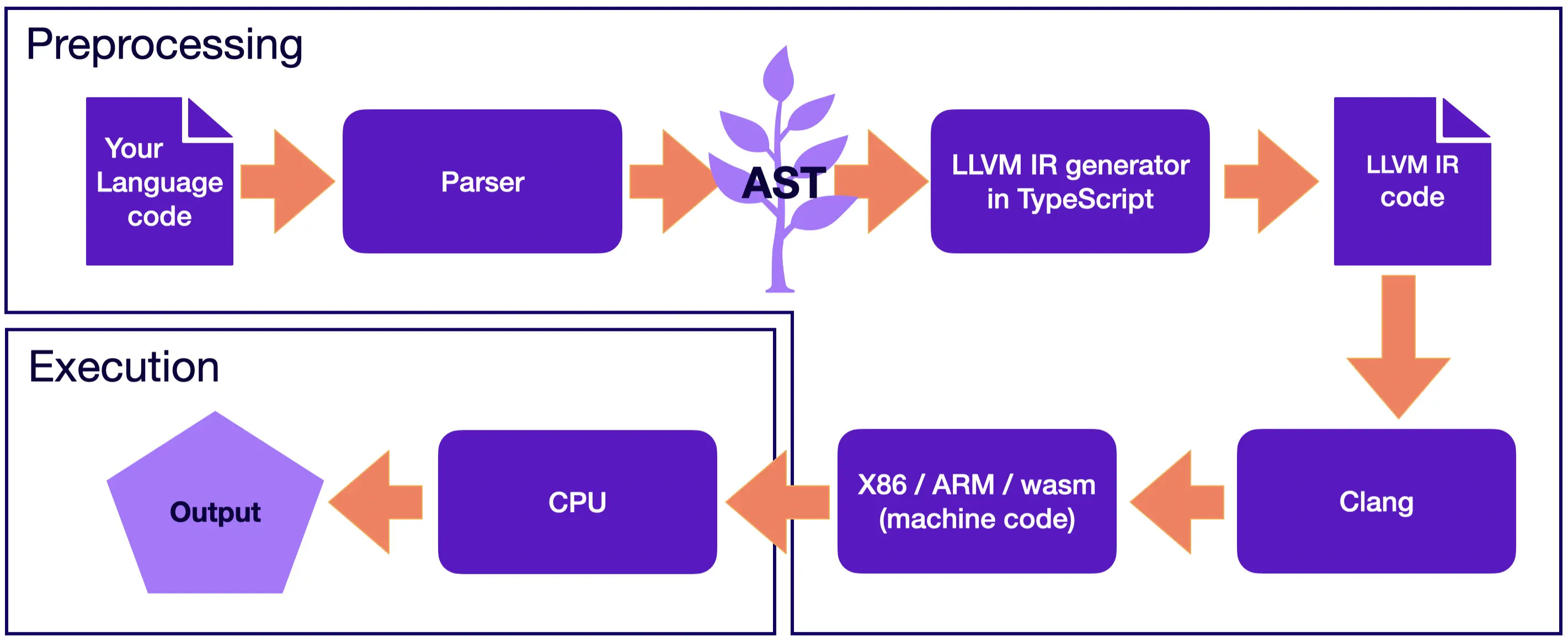
Here is a deep dive into the engineering pipeline of how a Compiler takes your human-readable text and turns it into raw binary.
The Compilation Pipeline
If you write a program in a compiled language like C, C++, or Go, the code goes through a strict, multi-step assembly line before it can be executed.
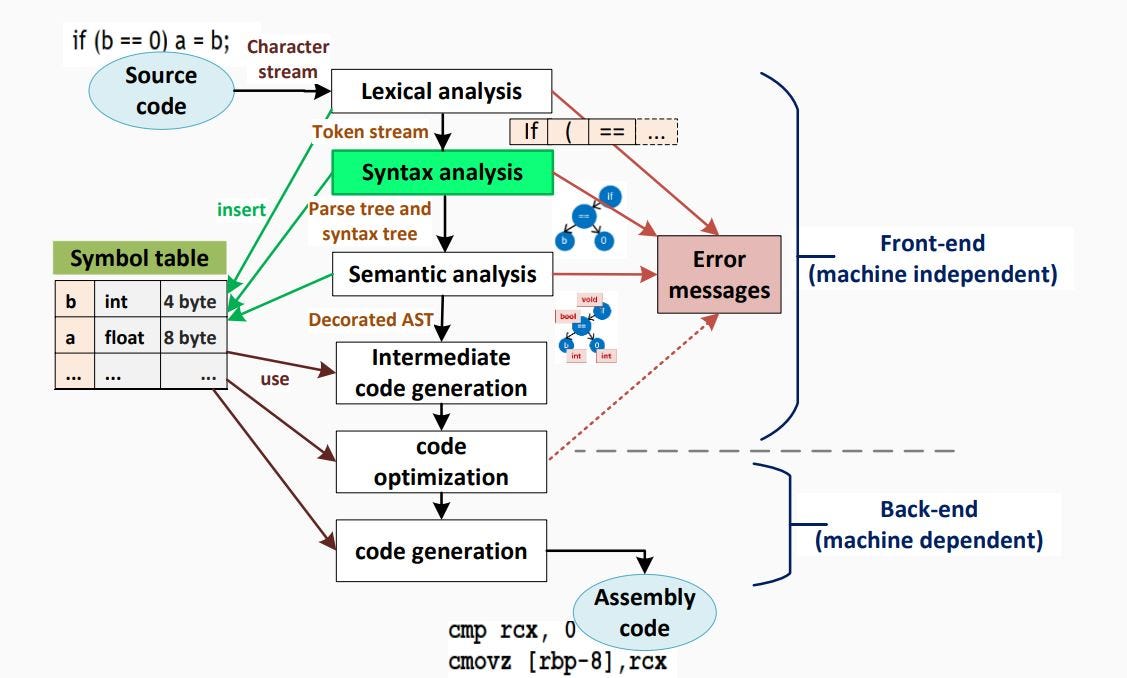
1. Lexical Analysis (Tokenization)
The compiler does not read your code like a human reads a book. First, it breaks your raw text down into small, digestible chunks called Tokens. It strips out all the whitespace and comments, categorizing every word and symbol.
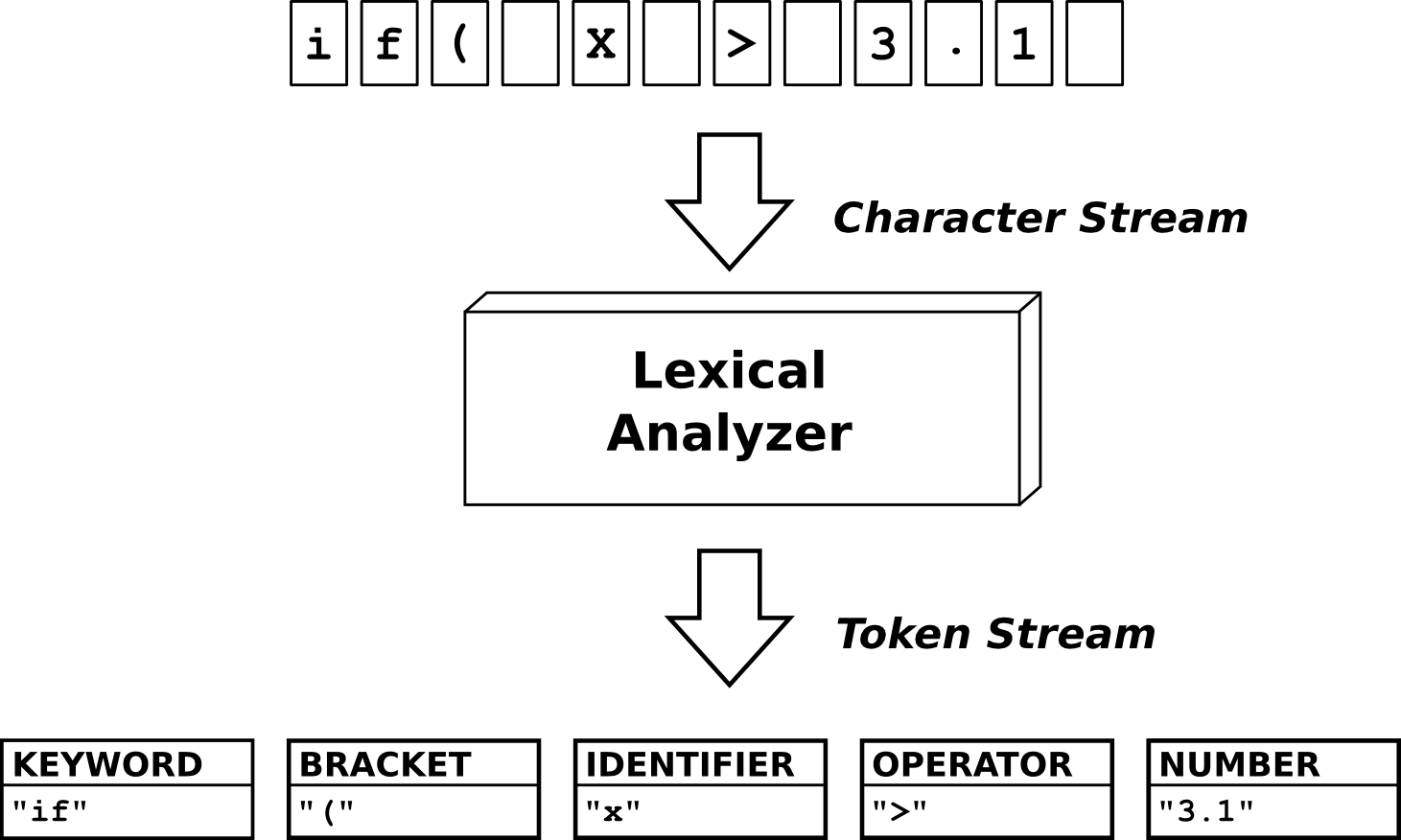
Source Code:
int age = 25;Tokens:
[Type: int],[Identifier: age],[Operator: =],[Literal: 25],[Separator: ;]
2. Syntax Analysis (Parsing)
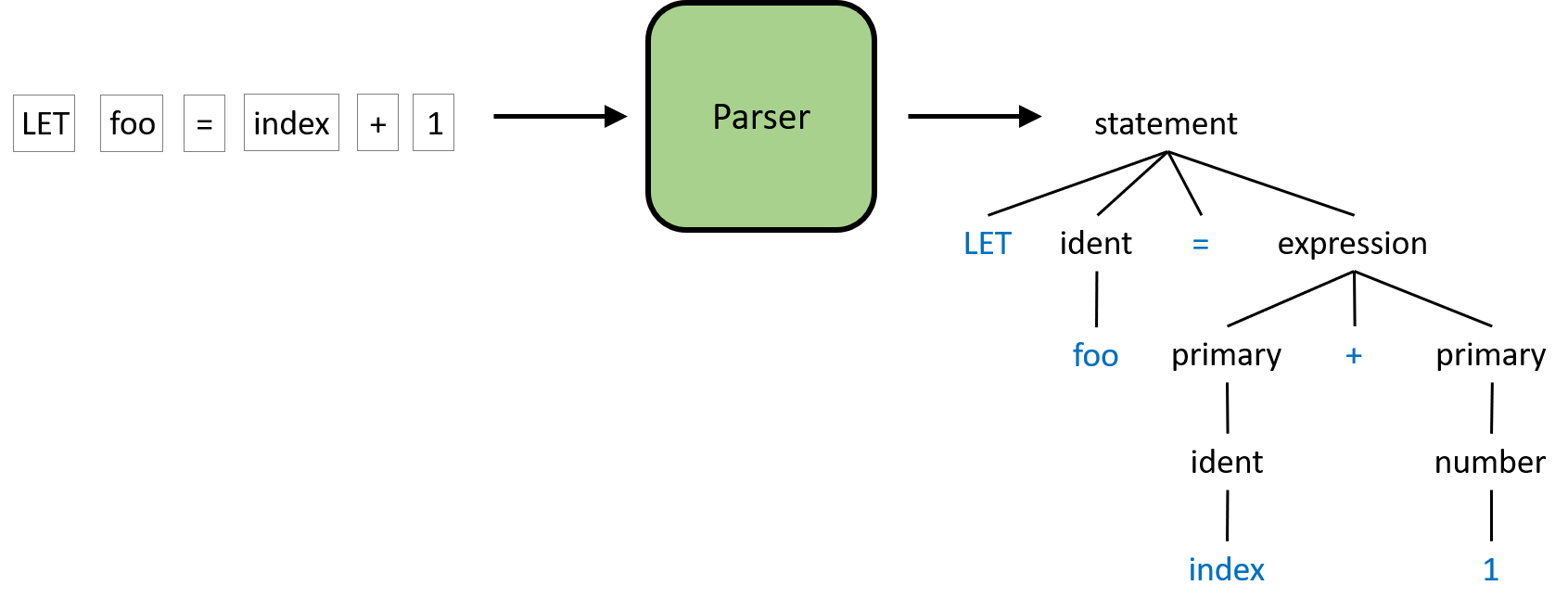
Next, the compiler takes those tokens and checks if they follow the grammatical rules of the programming language. It organizes the tokens into a tree-like structure called an Abstract Syntax Tree (AST). If you miss a semicolon or put a parenthesis in the wrong place, the parser will fail and throw a Syntax Error here.
3. Semantic Analysis
Just because a sentence is grammatically correct doesn’t mean it makes sense. (e.g., “The blue apple spoke smoothly.”) The compiler checks for logical consistency.
Did you try to add a string of text to a number?
Did you try to use a variable that hasn’t been defined yet? If the logic breaks the rules of the language, it throws a Type Error or Semantic Error.
4. Intermediate Representation (IR) and Optimization
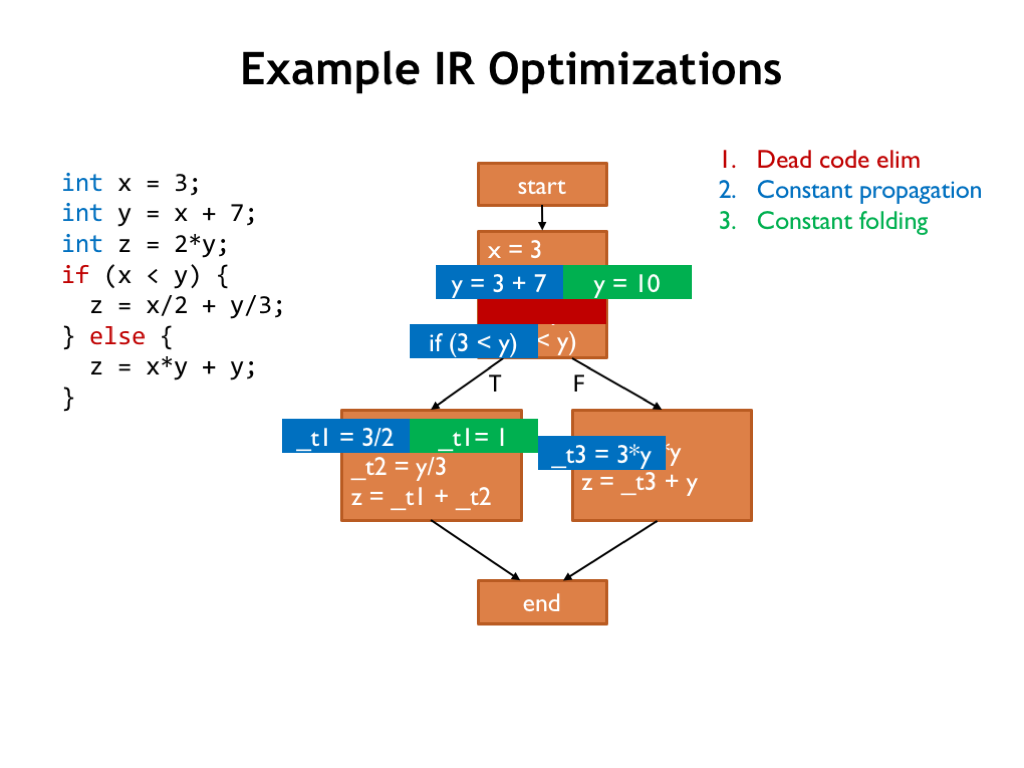
Once the compiler knows the code is perfectly valid, it translates the AST into an Intermediate Representation (IR). This is a low-level language that sits halfway between your source code and machine code.
Why stop halfway? Optimization. The compiler looks at the IR and aggressively rewrites it to make it faster and use less memory, without changing what the program actually does.
Example: If you wrote
x = 5 * 2;, the optimizer will replace it withx = 10;so the computer doesn’t have to waste time doing the math every time the program runs.
𝐋𝐞𝐚𝐫𝐧 𝐭𝐨 𝐛𝐮𝐢𝐥𝐝 𝐆𝐢𝐭, 𝐃𝐨𝐜𝐤𝐞𝐫, 𝐑𝐞𝐝𝐢𝐬, 𝐇𝐓𝐓𝐏 𝐬𝐞𝐫𝐯𝐞𝐫𝐬, 𝐚𝐧𝐝 𝐜𝐨𝐦𝐩𝐢𝐥𝐞𝐫𝐬, 𝐟𝐫𝐨𝐦 𝐬𝐜𝐫𝐚𝐭𝐜𝐡. Get 40% OFF CodeCrafters: https://app.codecrafters.io/join?via=the-coding-gopher
5. Code Generation (Assembly Code)
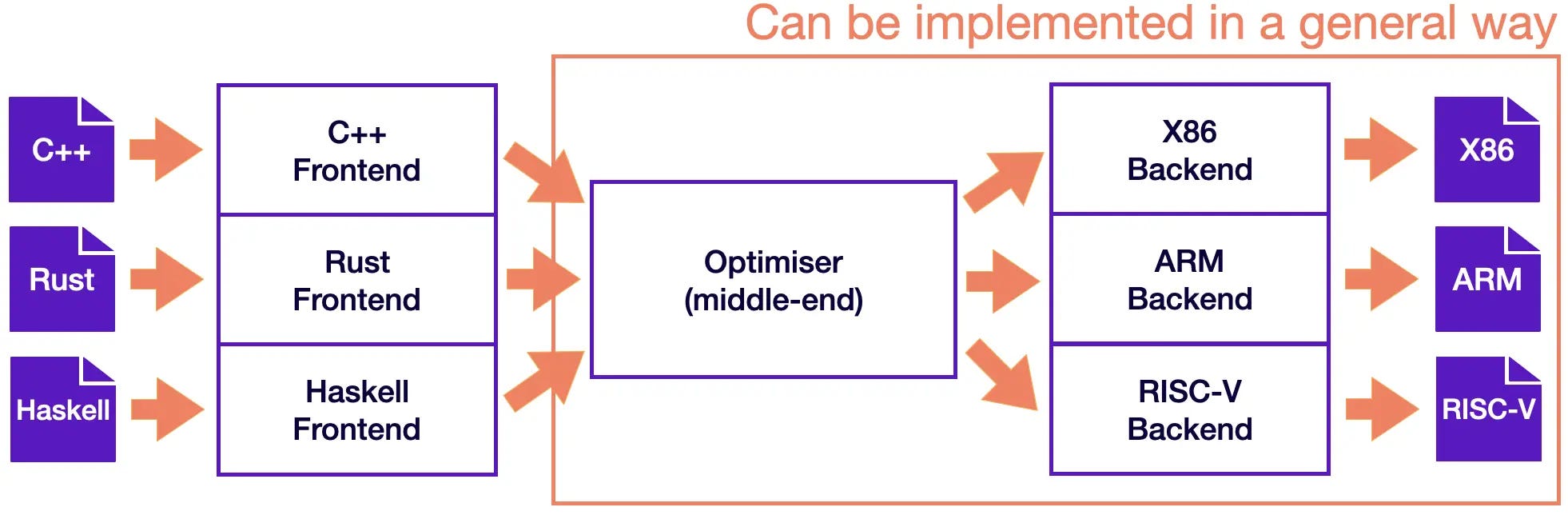
The optimized IR is now translated into the specific language of your computer’s hardware architecture (e.g., x86 for Intel/AMD chips, or ARM for Apple Silicon/smartphones). This language is called Assembly. Assembly is essentially machine code, but written using short, cryptic text commands (like MOV, ADD, PUSH) instead of just 1s and 0s.
6. The Assembler and Linker
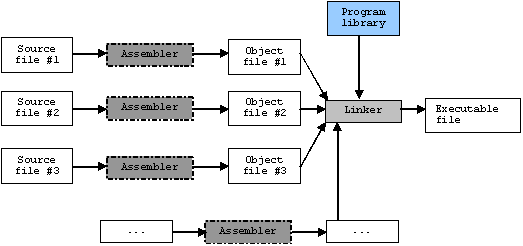
The assembler takes the Assembly text and does the final conversion into raw binary Machine Code (Object files).
However, your program isn’t an island. If you used printf() in C, your code relies on standard libraries. The Linker takes your freshly compiled machine code and stitches it together with the pre-compiled machine code of any external libraries you used.
The final output is a single, executable file (like an .exe on Windows or a binary file on macOS/Linux). When you double-click that file, the operating system loads those 1s and 0s directly into the CPU, and the hardware executes your program.
The Alternative Paths: Interpreters and JIT
Not all languages use the heavy, upfront compilation pipeline described above.
Interpreters (Python, Ruby)
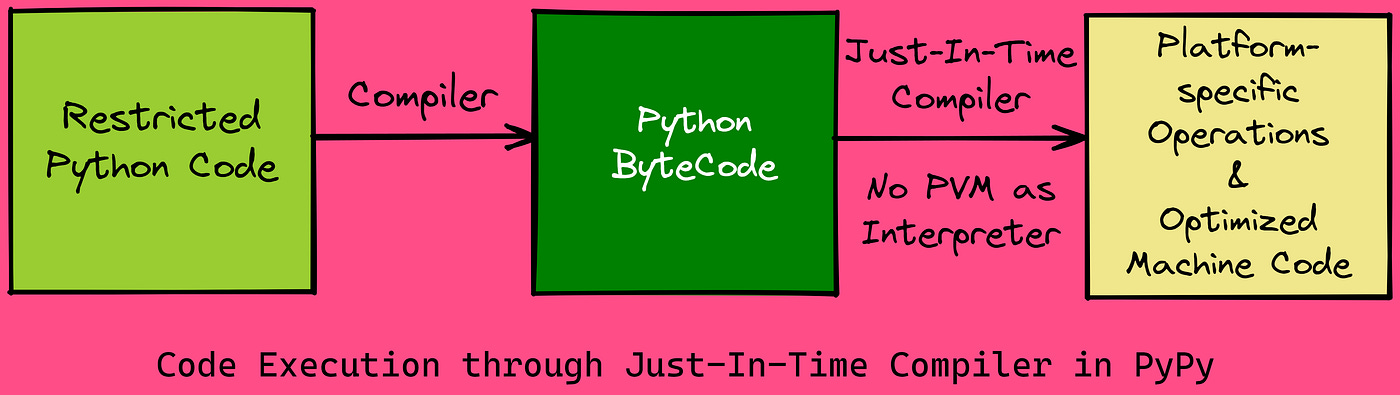
An interpreter is a program that directly executes instructions written in a programming language, line-by-line, during runtime. It translates each statement into machine code and executes it immediately, without requiring a pre-compilation step. Because it translates on-the-fly, startup is instant, but the overall execution speed is generally slower than compiled code due to the real-time translation overhead.
![Python] Interpreter and PVM (Python Virtual Machine) — Dsaint31's blog](https://substackcdn.com/image/fetch/$s_!ctUl!,f_auto,q_auto:good,fl_progressive:steep/https%3A%2F%2Fsubstack-post-media.s3.amazonaws.com%2Fpublic%2Fimages%2Fed1cbd87-1a25-4077-b34d-33cfcf716be6_1732x940.png "Python] Interpreter and PVM (Python Virtual Machine) — Dsaint31's blog")
Note: Python is primarily an interpreted language. The Python interpreter is a program that reads, translates, and executes Python code directly, line-by-line, during runtime. When you run code, it is first compiled into intermediate bytecode, which is then executed by the Python Virtual Machine (PVM).
Just-In-Time (JIT) Compilation (JavaScript, Java, C#)
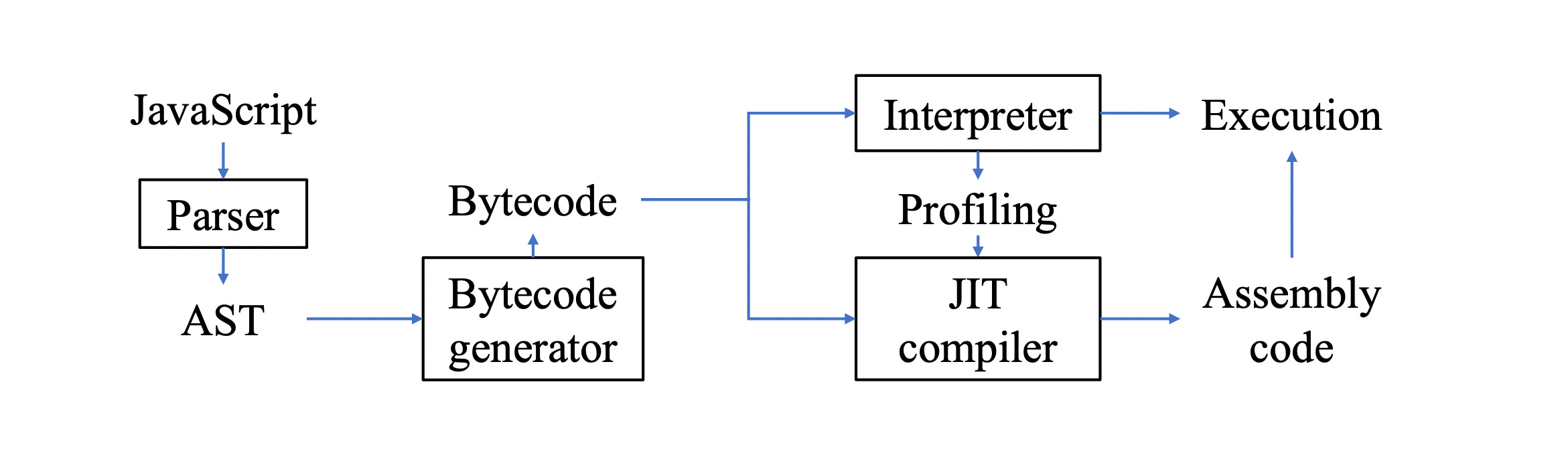
Modern languages often use a hybrid approach to get the best of both worlds. When you run JavaScript in your browser, the engine (like Google’s V8) starts interpreting the code line-by-line so the webpage loads instantly. However, while it runs, a background monitor watches the code. If it notices a specific function is being used hundreds of times, the JIT Compiler steps in, compiles that specific function into highly optimized machine code on the fly, and swaps it out. The next time that function is called, it runs at lightning speed.
This is a great article breaking down the key steps on how compilers work. Thanks for sharing!