
Understanding Go’s Escape Analysis
Why Your Variable Moved to the Heap in Go

One of the most loved features of Go is its automatic memory management. You create variables, use them, and the compiler and garbage collector (GC) handle the cleanup. However, just because you don’t manually allocate memory (like malloc in C) doesn’t mean you shouldn’t care where that memory lives.
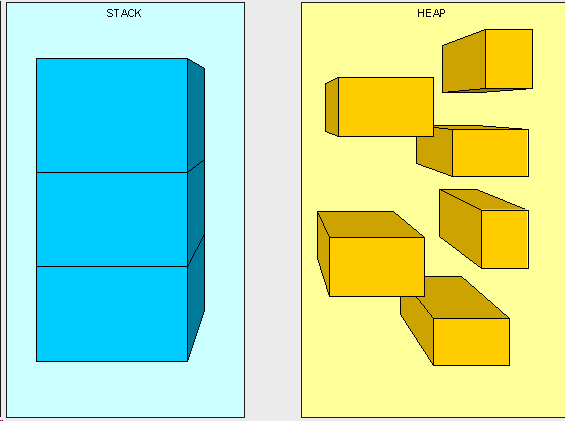
In Go, a variable can live in one of two places: the Stack or the Heap. The decision of where a variable is stored is made by the compiler during a process called Escape Analysis.
Understanding this process is key to writing high-performance Go code, as it directly impacts Garbage Collector pressure and CPU usage.
1. The Two Worlds: Stack vs. Heap
To understand escape analysis, we first need to distinguish between the two types of memory.
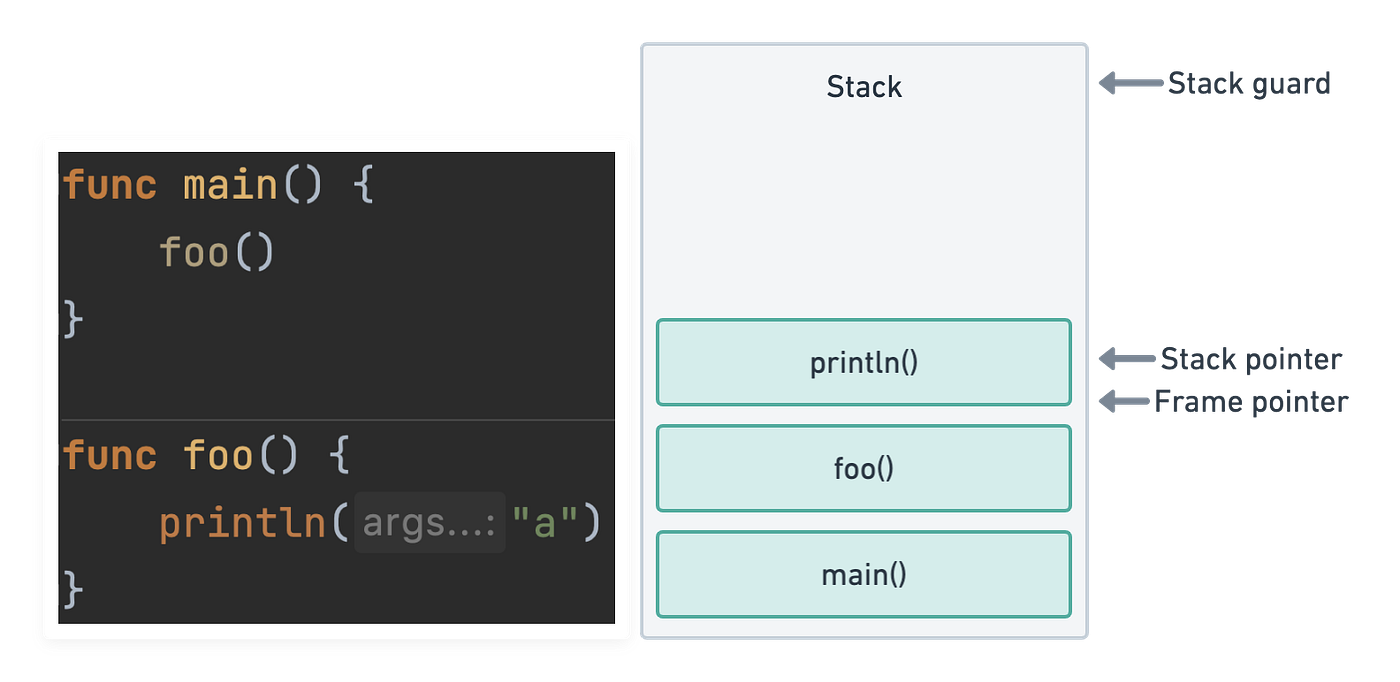
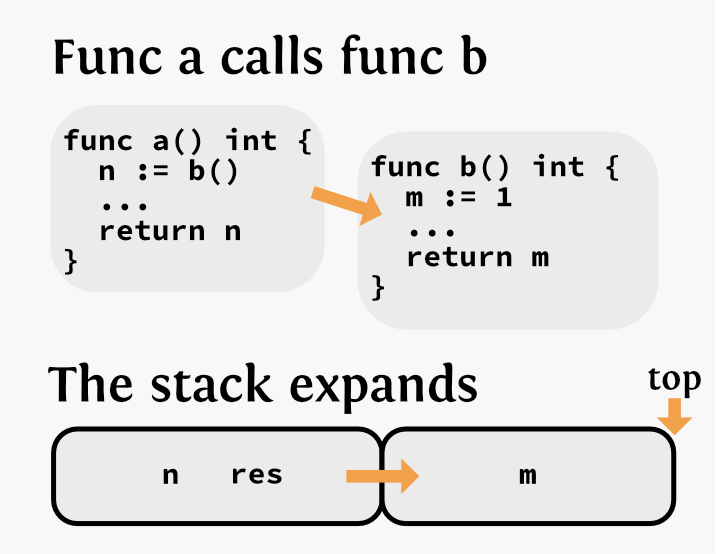
The Stack: This is a scratchpad for the current thread of execution. It is fast, linear, and self-cleaning. When a function is called, a “stack frame” is pushed. When the function returns, the frame is popped, and all variables inside it are instantly destroyed. No garbage collection is needed here.
The Heap: This is the pool of shared memory. It is slower to allocate and requires a Garbage Collector to clean up. Objects here can outlive the function that created them.
The Golden Rule: The Go compiler prefers to allocate variables on the stack. It is cheaper and safer. It will only move a variable to the heap if it absolutely has to.
2. What is Escape Analysis?
Escape Analysis is the phase during compilation where the Go compiler inspects the flow of your code to answer one question:
“Does this variable stick around after the function returns?”
If the answer is No, the variable stays on the stack. If the answer is Yes (or “I’m not sure”), the variable “escapes” to the heap.
If a variable escapes, the compiler knows it cannot destroy the variable when the stack frame pops, because something else (another function, a global variable, a goroutine) still needs to access it.
3. Common Scenarios Causing Escape
Here are the most common reasons your variables are being evicted to the heap.
A. Returning a Pointer
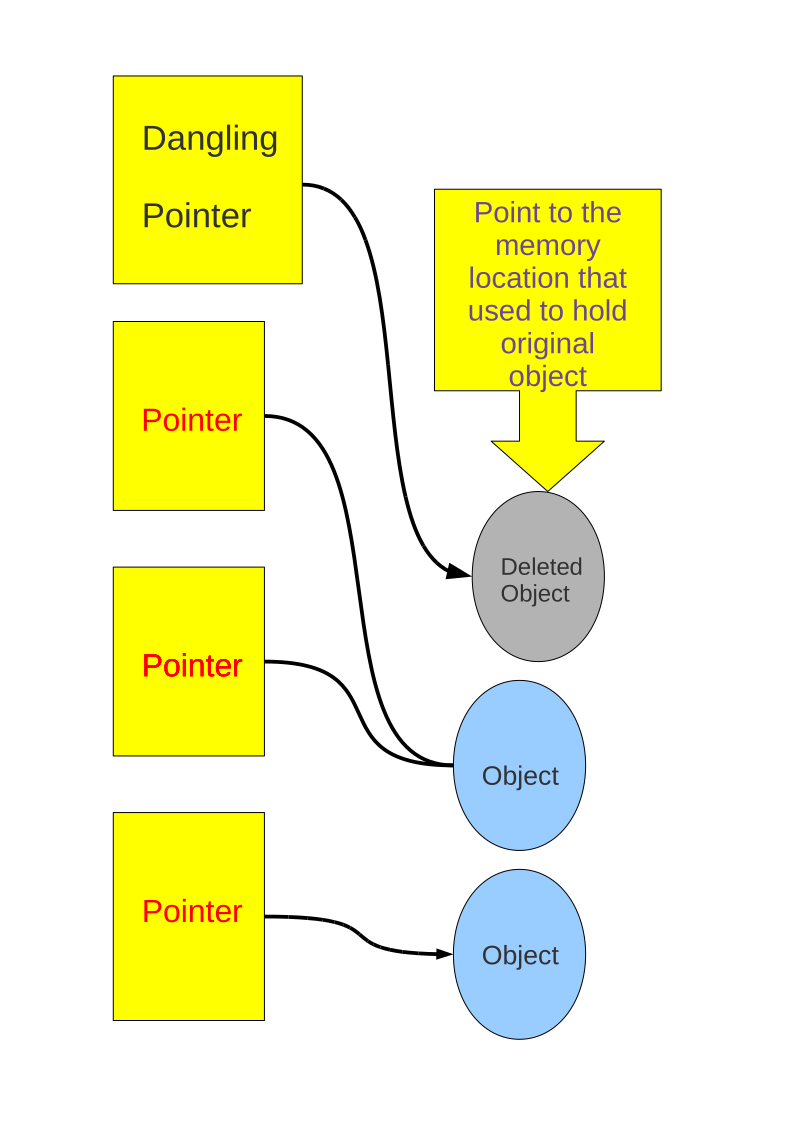
This is the classic example. If you create a variable inside a function and return a pointer to it, that variable must survive after the function ends.
func NewUser() *User {
    u := User{Name: "Alice"} // Created inside the function
    return &u                // Pointer returned to caller
}
Result:
uescapes to the heap.Why: If
ustayed on the stack, it would be deleted as soon asNewUserreturned, leaving the caller with a dangling pointer pointing to garbage memory.
B. Dynamic Types (Interfaces)
When you assign a concrete value to an interface, the compiler often loses track of the exact size or behavior of the variable, forcing a heap allocation.
func PrintAny(v interface{}) {
    fmt.Println(v)
}

func main() {
    x := 10
    PrintAny(x)
}
Result:
xescapes to the heap.Why:
fmt.Printlntakes...interface{}. The compiler cannot statically determine howxwill be used insidefmt(which uses reflection), so it plays it safe and moves it to the heap.
Because
fmt.Printlnneeds to handle any type of data, it uses a “box” (called aninterface{}) to hold your number. The compiler can’t tell iffmtwill keep a reference to that box later, so it plays it safe and puts the box on the heap (general memory) instead of the stack (fast, temporary memory). To verify this, you can rungo build -gcflags="-m" yourfile.goto see the compiler’s output:x escapes to heap..
𝐋𝐞𝐚𝐫𝐧 𝐭𝐨 𝐛𝐮𝐢𝐥𝐝 𝐆𝐢𝐭, 𝐃𝐨𝐜𝐤𝐞𝐫, 𝐑𝐞𝐝𝐢𝐬, 𝐇𝐓𝐓𝐏 𝐬𝐞𝐫𝐯𝐞𝐫𝐬, 𝐚𝐧𝐝 𝐜𝐨𝐦𝐩𝐢𝐥𝐞𝐫𝐬, 𝐟𝐫𝐨𝐦 𝐬𝐜𝐫𝐚𝐭𝐜𝐡. Get 40% OFF CodeCrafters: https://app.codecrafters.io/join?via=the-coding-gopher
C. Size and Stack Space
The stack is fast but small (goroutine stacks start at 2KB). If you allocate a massive object, it might not fit.
func processData() {
    data := make([]int, 1000000) // Too big for the stack
    // ...
}
Result:
dataescapes to the heap.Why: It exceeds the stack frame limit.
D. Closures and Goroutines
Variables shared between the main function and a goroutine (or closure) usually escape because the goroutine might run long after the parent function finishes.
package main

import (
	"fmt"
	"time"
)

func main() {
	// The 'message' variable is created on the stack of the main function.
	message := "Hello, Goroutines!"

	// A closure is created and immediately launched as a goroutine.
	// This goroutine references the 'message' variable from the outer scope.
	go func() {
		// Because the goroutine might outlive 'main', 'message' is
                       // stored on the heap (escapes) so the goroutine can still
                       // access it.
		fmt.Println("Goroutine message:", message)
	}()

	// --- Demonstrating the common loop variable pitfall ---
	fmt.Println("\nLoop variable demonstration:")

	// This slice is used for demonstration.
	data := []int{1, 2, 3}

	for i := range data {
		// The loop variable 'i' is reused on each iteration.
		// The closure captures 'i' by reference.
		go func() {
			// All goroutines launched in the loop will
                                   // eventually print the final value of 'i' (which is
                                   // 2 after the loop finishes), not the value it had
                                   // when the goroutine was scheduled.
			fmt.Printf("Value is: %d\n", i)
		}()
	}

	// Wait for a moment to allow the goroutines to execute.
	time.Sleep(100 * time.Millisecond)

	// To fix the loop variable issue, you pass the variable as an argument:
	fmt.Println("\nFixed loop variable demonstration:")
	for i := range data {
		// Pass 'i' as an argument to the anonymous function.
		// A new 'val' variable is created on the stack for each
                       // goroutine.
		go func(val int) {
			fmt.Printf("Value is: %d\n", val)
		}(i) // Pass 'i' by value
	}

	// Another moment for the fixed goroutines to execute.
	time.Sleep(100 * time.Millisecond)
}
4. How to Check Your Code
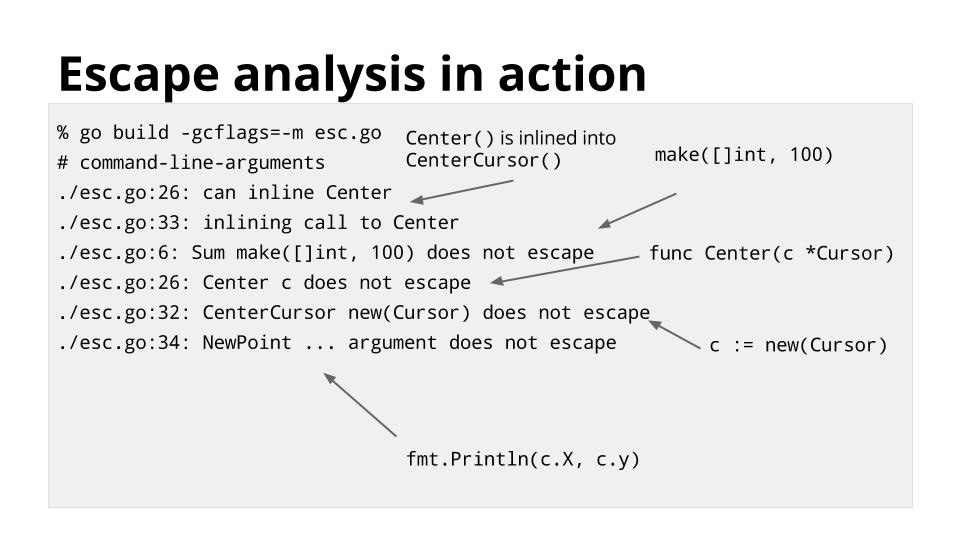
You don’t have to guess. The Go compiler tells you exactly what it’s doing if you ask. Use the -gcflags build flag with the -m option (memory analysis).
Run this in your terminal:
go build -gcflags="-m" main.goExample Output:
./main.go:12:15: new(User) escapes to heap
./main.go:10:2: moved to heap: x
./main.go:14:13: ... argument does not escape
escapes to heap: A variable was allocated on the heap.does not escape: The compiler proved it is safe to keep on the stack.moved to heap: The compiler originally planned for the stack but was forced to move it.
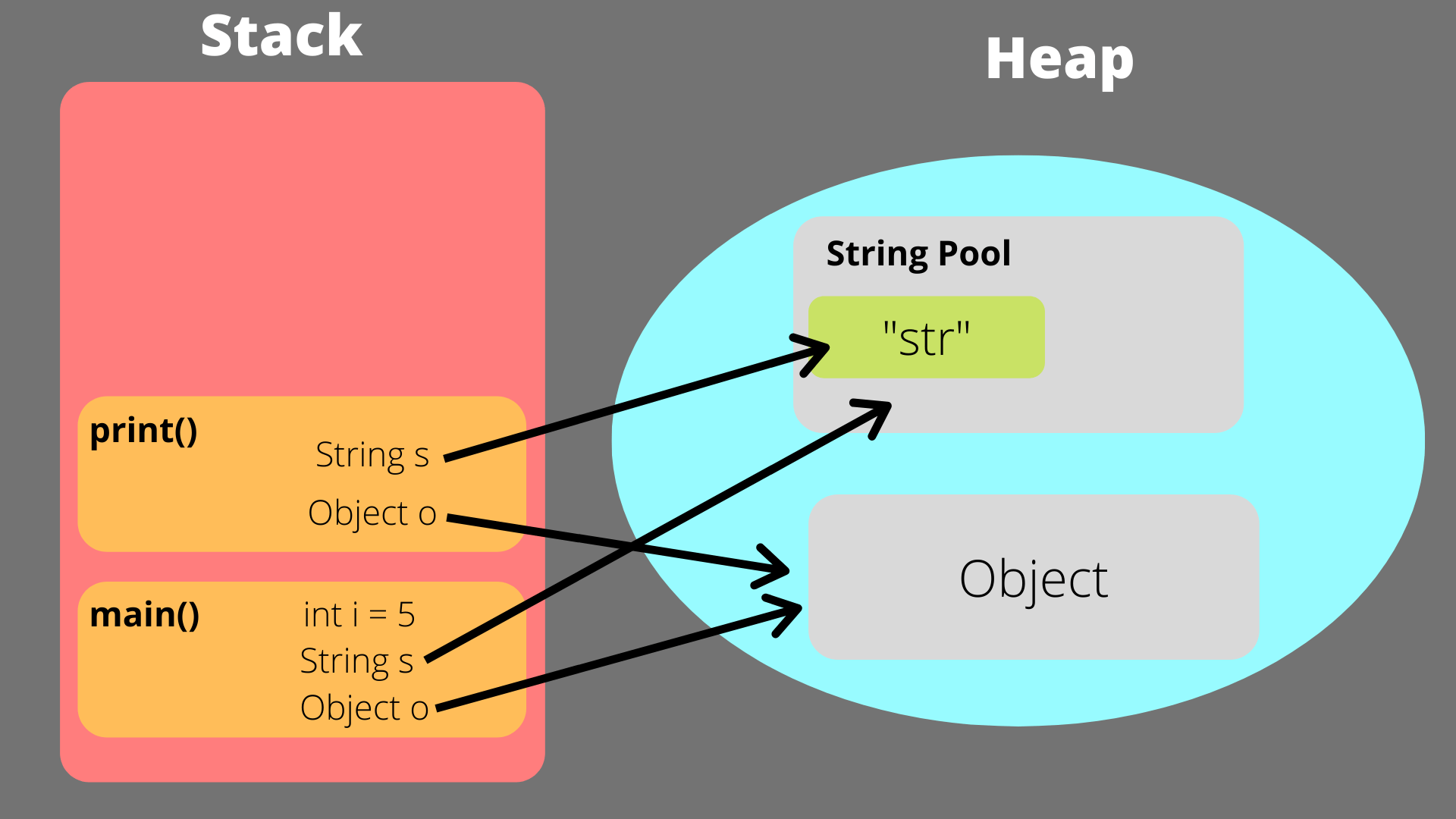
The Java String Pool is a specialized memory area within the heap that stores unique string literals to optimize performance and memory usage. By using string interning, the JVM checks the pool first; if a string exists, it reuses the reference, otherwise creating a new object.
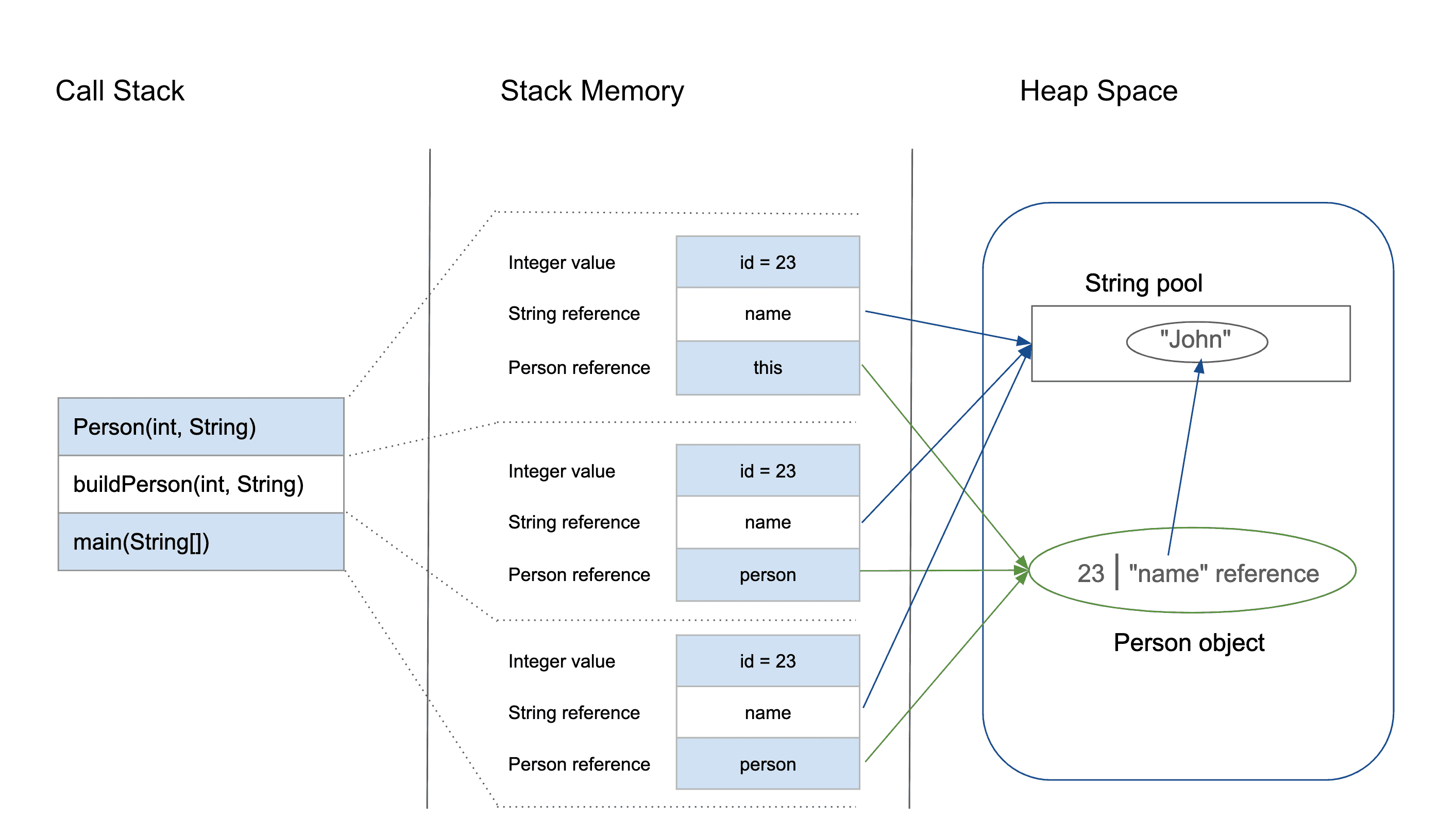
Note: Go does not have a built-in, automatic "string pool" mechanism for all string literals in the same way languages like Java do. Instead, string pooling (or interning) in Go is a technique that can be implemented manually, usually for specific performance optimizations, to store only one copy of each unique string in memory.
5. Why Should You Care?
You might ask, “If Go handles this automatically, why does it matter?”
Performance.
Every time a variable moves to the heap, it adds pressure to the Garbage Collector. The GC has to pause execution (however briefly) to mark and sweep these objects.
Heavy Heap Usage: More GC pauses, higher CPU usage, potential latency spikes.
Stack Usage: Zero GC cost. Allocation and deallocation are literally one CPU instruction (moving the stack pointer).
Optimization Tip: If you have a “hot path” (a function called thousands of times per second), minimizing heap allocations in that specific function can dramatically improve performance.
i understand it a lot more after reading this