What is ISO and RFC?
How the world standardizes technology

Deconstructing the engineering blueprints that force disparate systems to speak the same language.
Software development is inherently chaotic. If every engineering team invented their own way to format a date, generate a unique ID, or transmit a packet over a network, the internet would physically collapse. Disparate systems can only integrate if they share a common language.

To prevent architectural anarchy, the technology industry relies on strict, universally agreed-upon blueprints. These blueprints are primarily governed by two completely different philosophical bodies: the IETF (which publishes RFCs) and the ISO.

Here is the engineering reality of how these standards differ and dictate modern system design.
1. RFCs: The Blueprints of the Internet
Engineering teams use internal RFCs (Requests for Comments) to propose software architectures. That corporate process actually stole its name from the Internet Engineering Task Force (IETF).

Since the dawn of ARPANET, the IETF has published global RFCs. These are open, text-based, highly pragmatic documents written by the engineers who actually built the internet. They are bottom-up standards; they do not dictate corporate policy, they dictate exactly how machines must talk to each other over a wire.
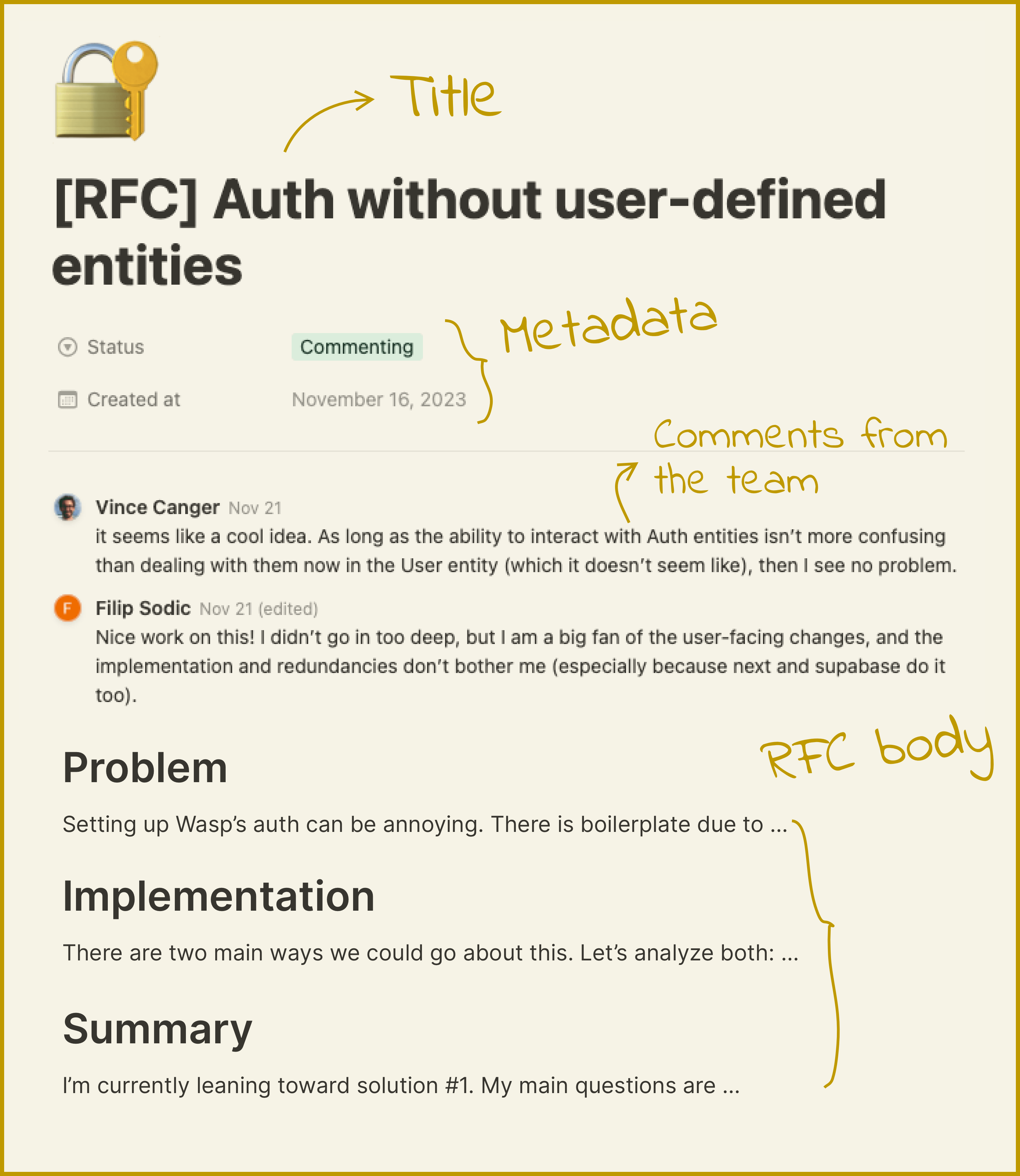
When you design a distributed system, you are relying on dozens of foundational RFCs:
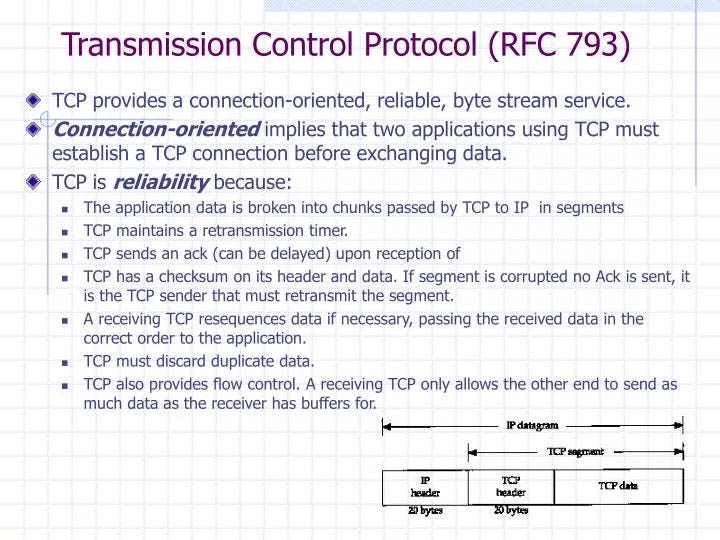
RFC 793 (TCP): The fundamental architecture of the Transmission Control Protocol. It defines the exact handshake required to ensure a packet of data reliably reaches its destination over an unreliable network.
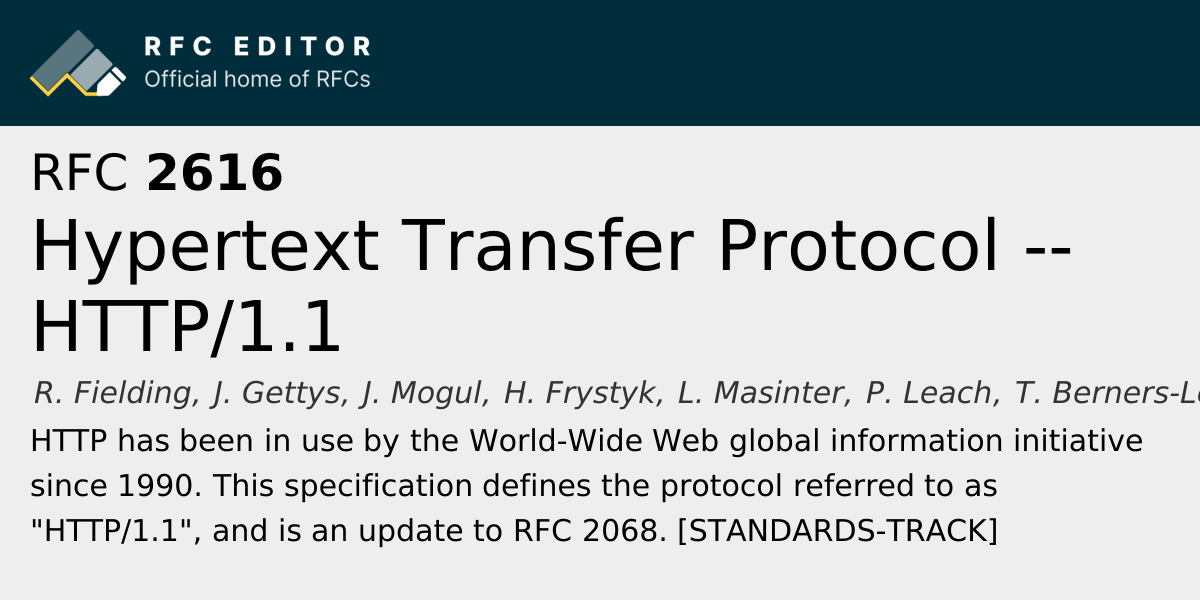
RFC 2616 (HTTP/1.1): The foundation of the web. It dictates exactly how a client must format a
GETorPOSTrequest, and exactly how a server must format a404 Not Foundor200 OKresponse.
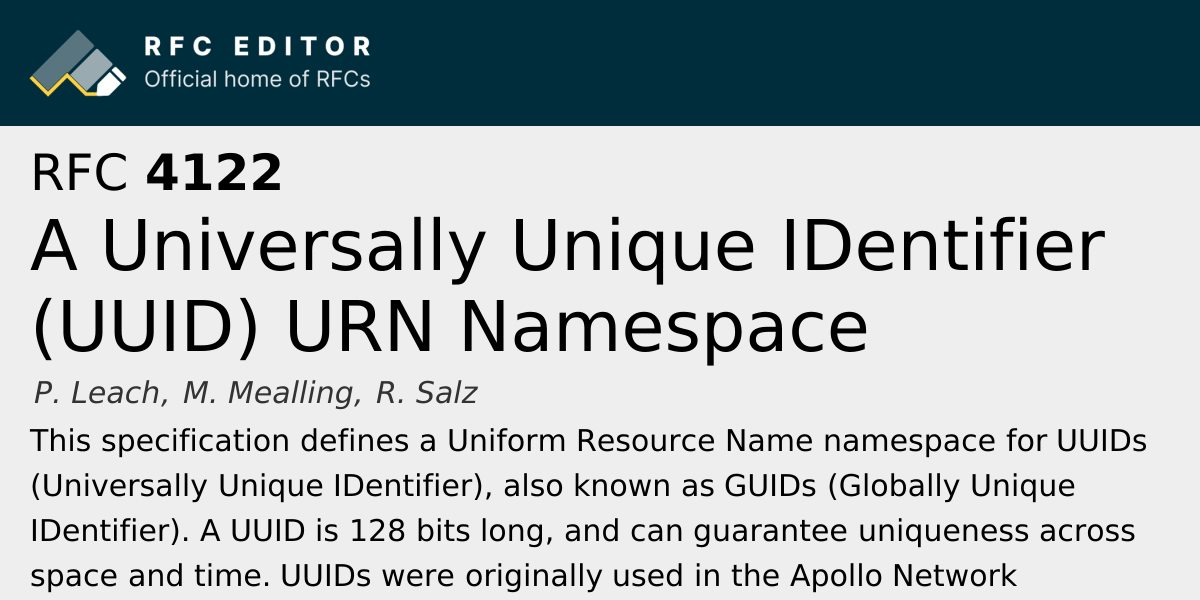
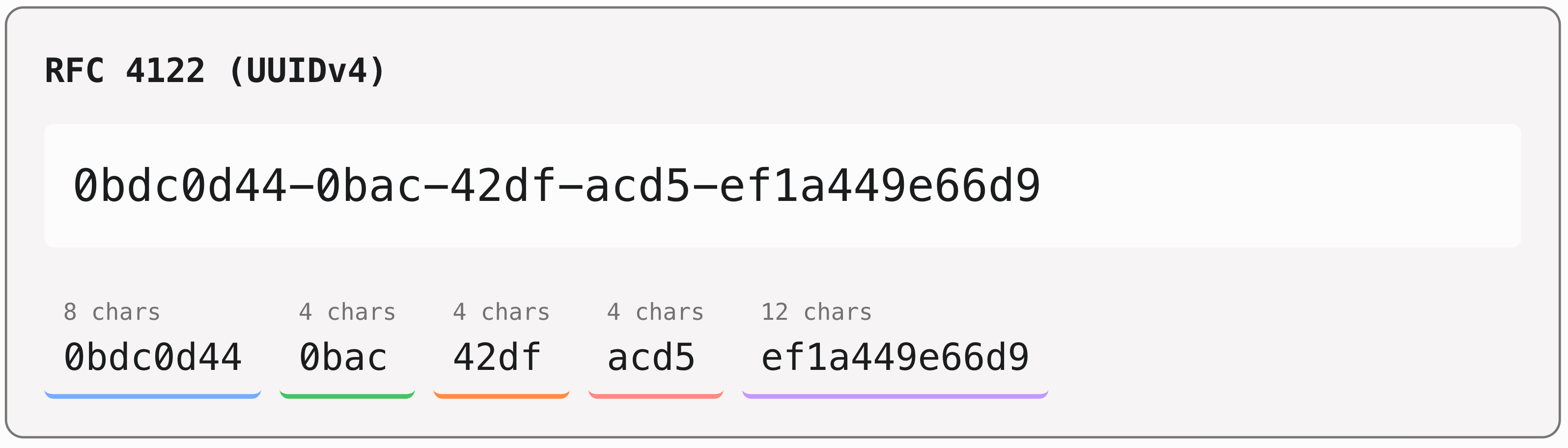
RFC 4122 (UUIDs): The mathematical standard for generating Universally Unique Identifiers. When you need to generate a unique database key across thousands of distributed servers without a central database, this RFC provides the exact algorithm (like UUIDv4) to guarantee zero collisions.
2. ISO: The Global Compliance Framework
The International Organization for Standardization (ISO) is a completely different beast. Operating out of Geneva, it is a formal, top-down, international body that includes representatives from national standards organizations.
While RFCs are freely available text documents written by network engineers, ISO standards are highly formalized, heavily vetted, and often locked behind paywalls. They define strict international compliance for everything from medical devices to database architectures.
In software engineering, you will inevitably collide with three massive ISO standards:
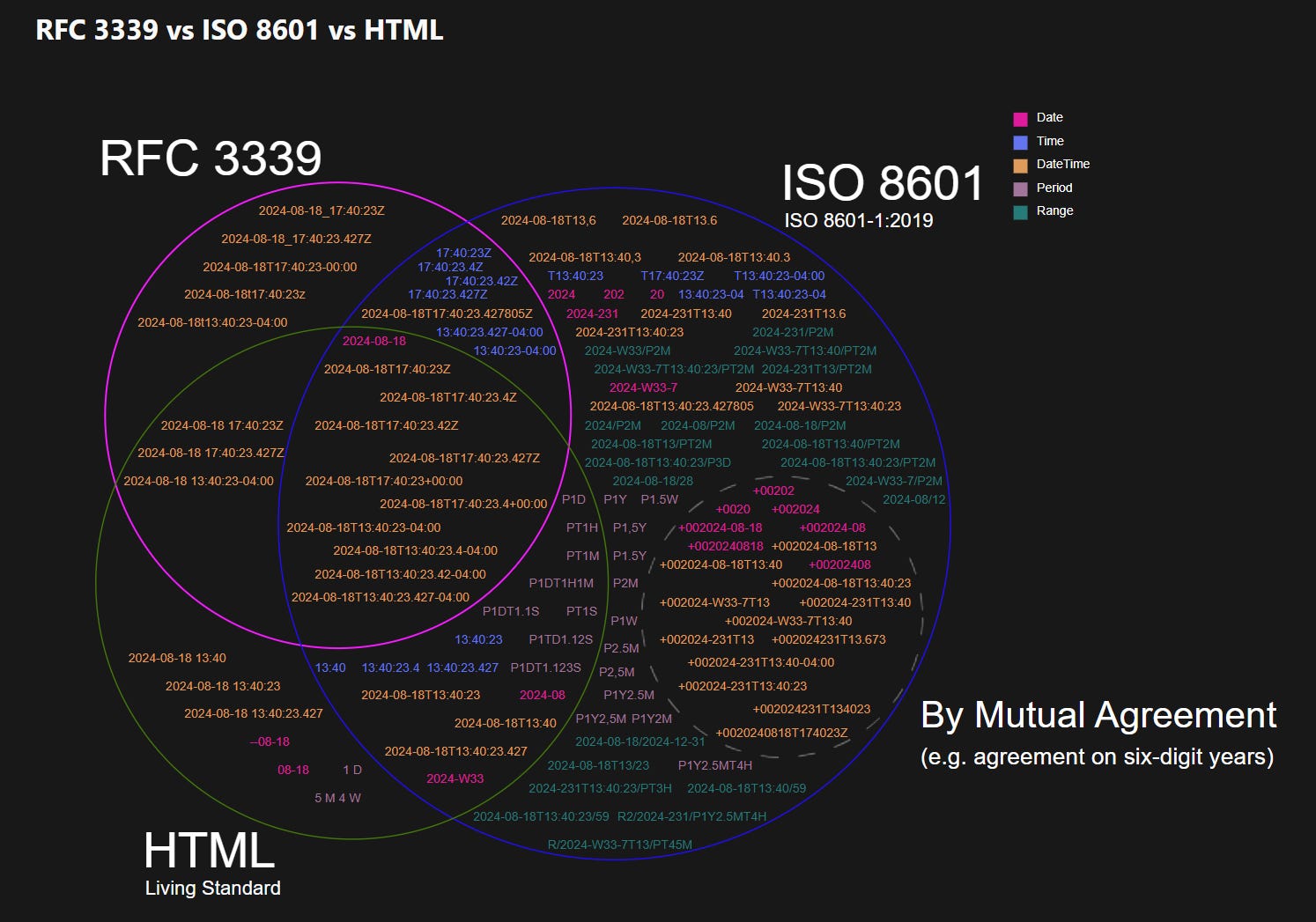
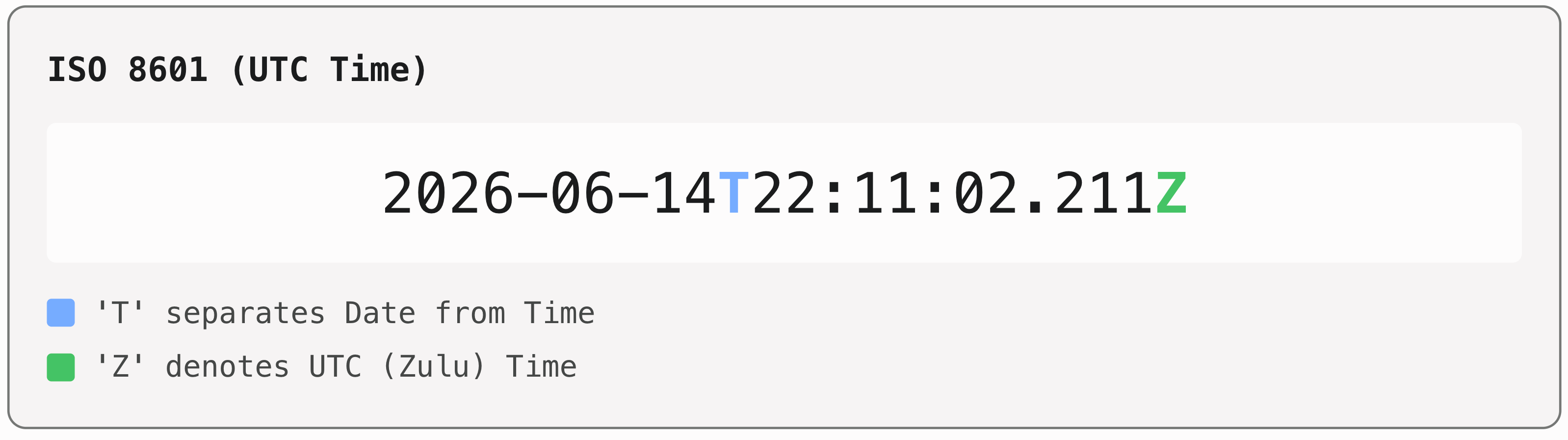
ISO 8601 (Data Interchange): While Unix time (counting seconds from 1970) is how machines store time internally, ISO 8601 is how systems share time over an API. It mandates a strict string format:
YYYY-MM-DDThh:mm:ssZ. It eliminates international confusion over whether06/07/2026means June 7th or July 6th.