
What is Thread-Safety?
The Crash Course in Concurrent Code

At its core, thread-safety is a computer programming concept applicable in the context of multi-threaded programs. A piece of code is considered thread-safe if it functions correctly—meaning it maintains its internal state and produces the expected results—when executed by multiple threads simultaneously.
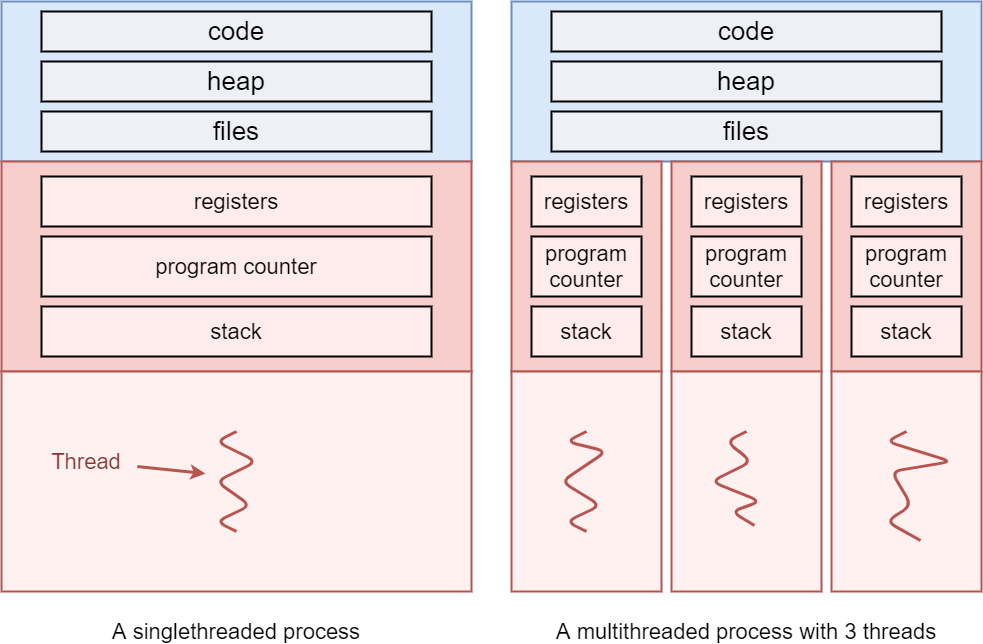
When multiple threads access shared data (like a variable, a file, or an object) at the same time, they can interfere with one another, leading to “race conditions,” data corruption, or unpredictable behavior.
The Core Problem: Shared State
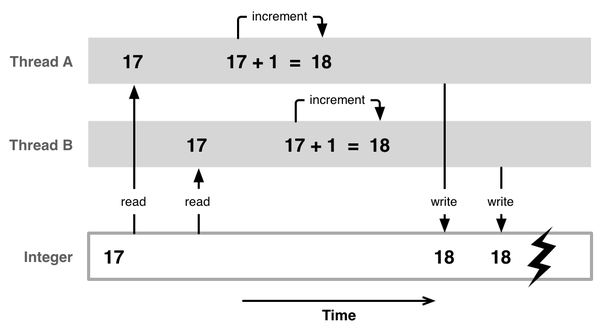
Imagine two threads trying to increment a single counter variable (count = count + 1).
Thread A reads the value (let’s say it’s 10).
Thread B reads the value (it’s still 10).
Thread A adds 1 and stores 11.
Thread B adds 1 and stores 11.
Even though two increments happened, the counter only went up by one. This is a classic race condition. A thread-safe implementation would ensure that these operations happen “atomically” (all at once) or that threads wait their turn.
How to Achieve Thread-Safety
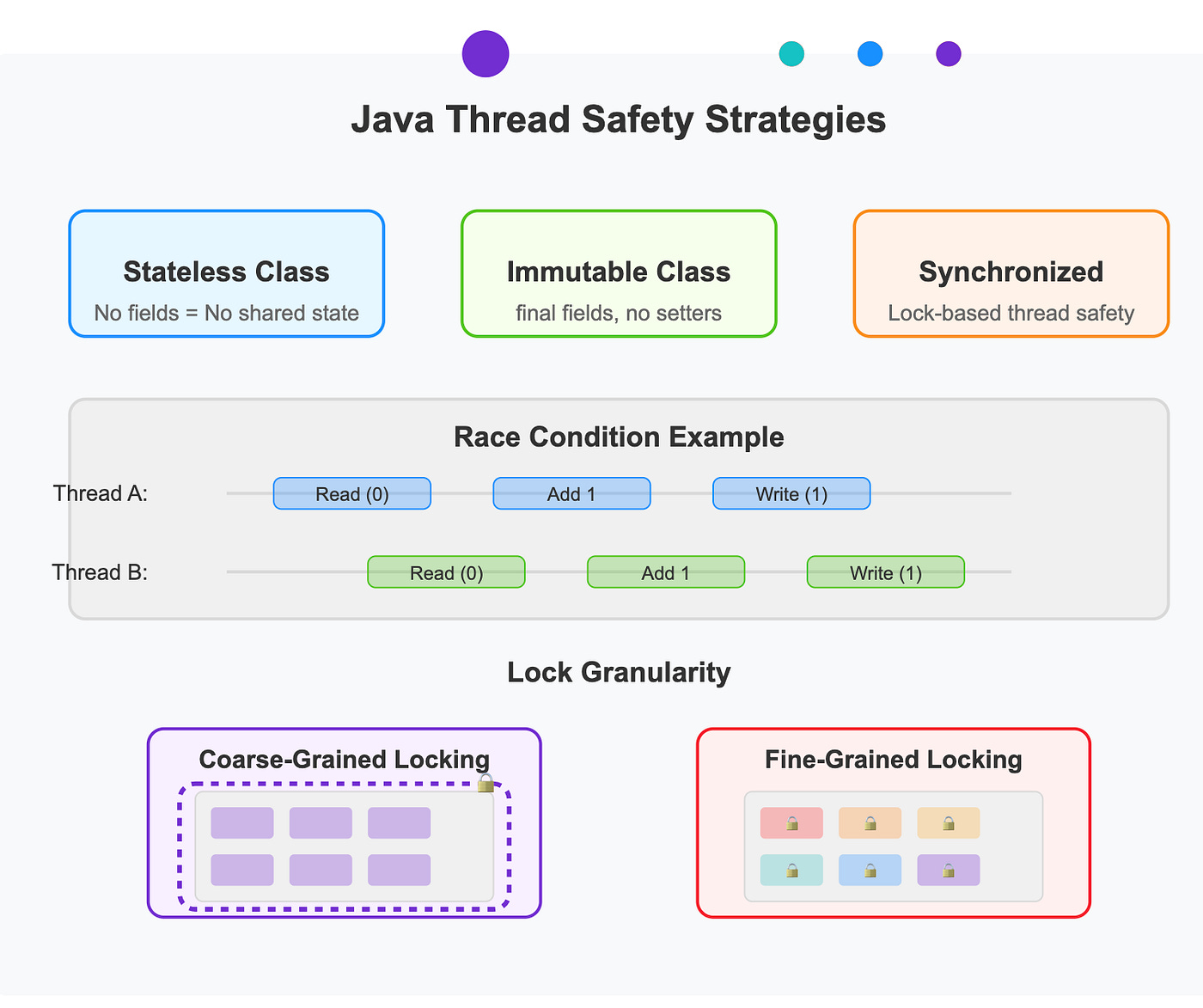
Developers use several strategies to ensure code behaves properly in a multi-threaded environment:
Immutability: If an object cannot be changed after it is created, it is inherently thread-safe. Multiple threads can read it without any risk of one thread modifying it while another is looking.
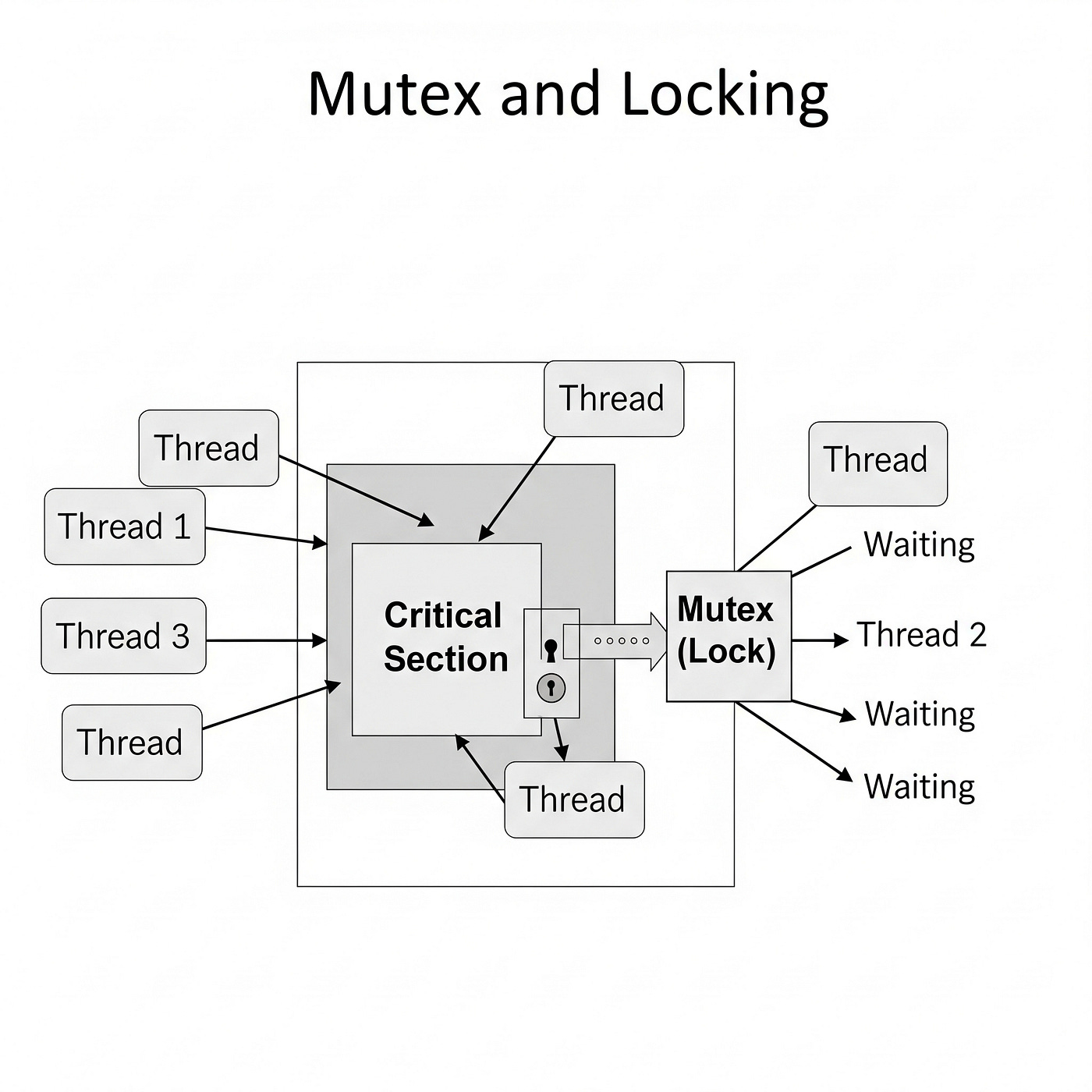
Mutual Exclusion (Mutex/Locks): This is the “one at a time” approach. A thread “locks” a resource, performs its work, and then “unlocks” it. Other threads must wait until the lock is released.
Atomic Operations: Some low-level operations are guaranteed to be completed in a single step that cannot be interrupted. Many languages provide “Atomic” classes (e.g.,
AtomicIntegerin Java).
Thread-Local Storage: Instead of sharing data, each thread gets its own private copy. Since no data is shared, no interference can occur.
Is Thread-Safety Always Better?
Not necessarily. Thread-safety comes with a performance cost:
Overhead: Managing locks and synchronization takes extra CPU time.
Contention: If many threads are waiting for the same lock, the program can slow down significantly.
Complexity: Thread-safe code is often harder to write, test, and debug. Deadlocks (where two threads wait on each other forever) are a common risk.
Note: Most modern libraries will specify in their documentation whether a class is “Thread-Safe” or “Not Thread-Safe.” Using a non-thread-safe collection (like a standard
ArrayList) across multiple threads without manual locking is a frequent source of bugs.
TL;DR
Thread-safe code or a data structure is one that can be safely accessed and used by multiple threads simultaneously without causing unexpected behavior, data corruption, or “race conditions”. It ensures that the program behaves correctly regardless of the timing or interleaving of the threads’ execution.
𝐋𝐞𝐚𝐫𝐧 𝐭𝐨 𝐛𝐮𝐢𝐥𝐝 𝐆𝐢𝐭, 𝐃𝐨𝐜𝐤𝐞𝐫, 𝐑𝐞𝐝𝐢𝐬, 𝐇𝐓𝐓𝐏 𝐬𝐞𝐫𝐯𝐞𝐫𝐬, 𝐚𝐧𝐝 𝐜𝐨𝐦𝐩𝐢𝐥𝐞𝐫𝐬, 𝐟𝐫𝐨𝐦 𝐬𝐜𝐫𝐚𝐭𝐜𝐡. Get 40% OFF CodeCrafters: https://app.codecrafters.io/join?via=the-coding-gopher
amazing explanation. ty for this!